Oil Painting Materials and Techniques

Using the Site
Art History
Aesthetics
Composition
Tonal Harmony
Color Harmony
Color Theory
Evaluating
Layered Painting
Dark Grounds
Light Grounds
Direct Painting
Glazing
Portraits
Landscapes
Still Life
Flowers
Life Studies
Supports
Grounds
Oils
Pigments
Brushes
Electronic Help
Art Courses
Online Courses
Art Holidays
Painting Trips
Framing
Selling Your Work

Exhibition and Workshop News


Oil Painting Techniques: Glazing

Glazing was an important part of old materials and techniques, managed most notably by Titian. Though absent from direct painting, and therefore neglected by many contemporary painters, glazes allow pictures to be built up carefully, and final color or tonal imbalances to be corrected. Below are recipes for typical glazes and retouching varnishes.
The ingredients are not expensive, and you should try their effect with different pigments, noting:

1. Handling properties

2. Drying times

3. Resulting finish.

Glazes

There is considerable dispute among authorities as to what glazes work best, and which are the safest. Experiment.

Medium No. 3 (Damar varnish and linseed oil.)

Medium No. 4 (Damar varnish, sun-thickened linseed oil and Venice turpentine.)

Medium No. 5 (Stand oil/sun-thickened oil, Damar varnish and turps.)

Medium No. 11 (Venice turpentine and linseed oil.)

Medium No. 13 (Heavy, sun-thickened linseed oil, Venice turps and turps.)

Medium No. 16 (Oil-copal varnish No. 7, heavy stand oil and turpentine.)

Medium No. 17 (Oil-copal varnish No. 7 and linseed/poppy oil.)

Medium No. 20 (Beeswax, Damar varnish, sun-thickened linseed oil & turps.)

Retouching Varnishes

Note that varnishes shouldn't be applied earlier than six months after completion of painting. Also that varnishes with copal are not easily removed.

Varnishes Varnish No. 1 (Damar lumps and turpentine. Called Damar varnish above.)

Varnish No. 7 ( Copal lumps and linseed oil.)

Varnish No. 3 (Copal lumps, petrol and turpentine.)

Varnish No. 10 (Damar varnish No.1 and wax varnish No. 20.)

Varnish No. 11 (Damar varnish No. 1, beeswax and turpentine.)

Varnish No. 14 (Damar varnish No. 1, sun-thickened linseed oil & Venice turps.)

Varnish No. 17 (Venice turpentine and sun-thickened linseed oil.)

Varnish No. 21 ( Beeswax and turpentine.)

References

Check out the websites listed for oil painting materials and techniques, but note that glazing is better covered by older works, of which these may be the more useful:

1. Cad-Red. Useful information on oils, pigments and how to prepare paints and canvases.

2. Kama Paints. Online demonstrations on how to make oil paints.

3. Windsor & Newton. Basic but helpful information of their product range, plus some painting tips.

4. Art Supplies. Essentially artists materials but also recipes and selected listings

5. The Artists's Handbook of Materials and Techniques by Ralph Mayer. 5th Edition. Viking Press. 1991.

6. What Every Artist Needs to Know About by David Pyle. Krause Publications. 2000.

7. The Materials of the Artist and their Use in Painting by Max Doerner. Harvest Books. 1984

8. Formulas for Painters by Robert Massey. Watson-Gupthill. 1980.

9. The Artist's Methods and Materials. M. Bazzi. John Murray. 1960.


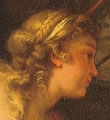
Illustration: Bacchus and Ariadne by Sebastiano Ricci. c.1716. Germanisches Nationalmuseum. Nuremberg. A warm and well-finished painting in reds mostly but including muted areas of blue and blue-green. The detail shows the rich effects possible with glazes.

Company  | Credits | Disclaimer  | Email


Copyright 2003 2004 2005 2006 LitLangs. All Rights Reserved